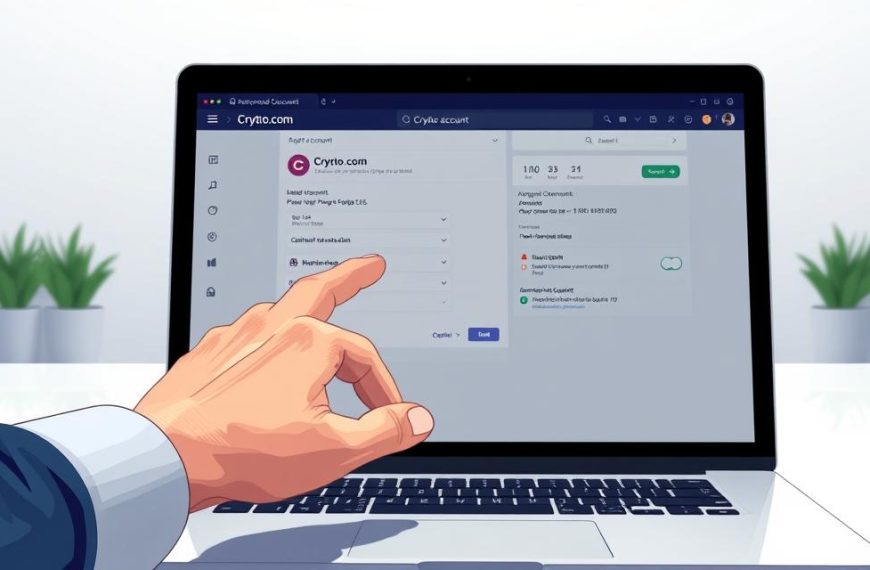


This concise roadmap gives clear, professional steps for opening an account, funding it, placing an order and securing assets in a wallet. Readers seeking trusted, step-led guidance will find practical information and current market data to support confident decisions.
Anyone researching buy retik may also want to understand product owner before deciding on the best option.
Anyone researching buy retik may also want to understand who calls shots understanding before deciding on the best option.
Expect the price you pay to vary with exchange choice, fees and market depth. For example, indicative quotes show BingX at $0.0004943, Bitmart at $0.0004802 and MEXC Global at $0.0007222, with a 24‑hour volume of $115,018 and a -0.38% change.
Platform selection matters. Prioritise security, liquidity, payment methods and user protection. At a glance, follow these essentials: create an account on a reputable platform, complete verification, deposit funds, find the RETIK market and place your order.
Plan funding routes (bank transfer, card or P2P) ahead. Use strategies such as DCA or ladder orders to manage volatility and consider moving assets to self‑custody for long‑term safety. Alternative routes like DEX swaps and P2P need contract checks and escrow care.
This guide cites verified figures and practical checks so readers can act with clearer context in a fast-moving market.
What you’ll learn and who this guide is for
This concise guide lays out practical outcomes and clear steps for buying retik finance across common platforms. By the end, you will know which platforms list the token, available payment methods, and the exact step for a first transaction.
This is for beginners seeking a secure, centralised route and for experienced users comparing fees, execution and liquidity. Notes cover users in any country and include US compliance and supported payments where relevant.
The guide balances trading basics—fees, spreads and price formation—with hands‑on order placement. It explains platform security, user protections and how liquidity affects cost and reliability.
- Payment options: card, bank transfer, Apple Pay/Google Pay, stablecoins and P2P escrow.
- Live price checks and market depth insights before you place a step.
- Reusable checklist for registration, funding and order confirmation.
| Audience | Main benefit | Typical payment method |
|---|---|---|
| Beginner user | Simple, secure centralised flow | Card or bank transfer |
| Experienced trader | Fee and execution comparison | Stablecoins or exchange routing |
| Local fiat purchaser | P2P with escrow and local currency | P2P platforms |
Availability check: where Retik Finance (RETIK) is trading right now
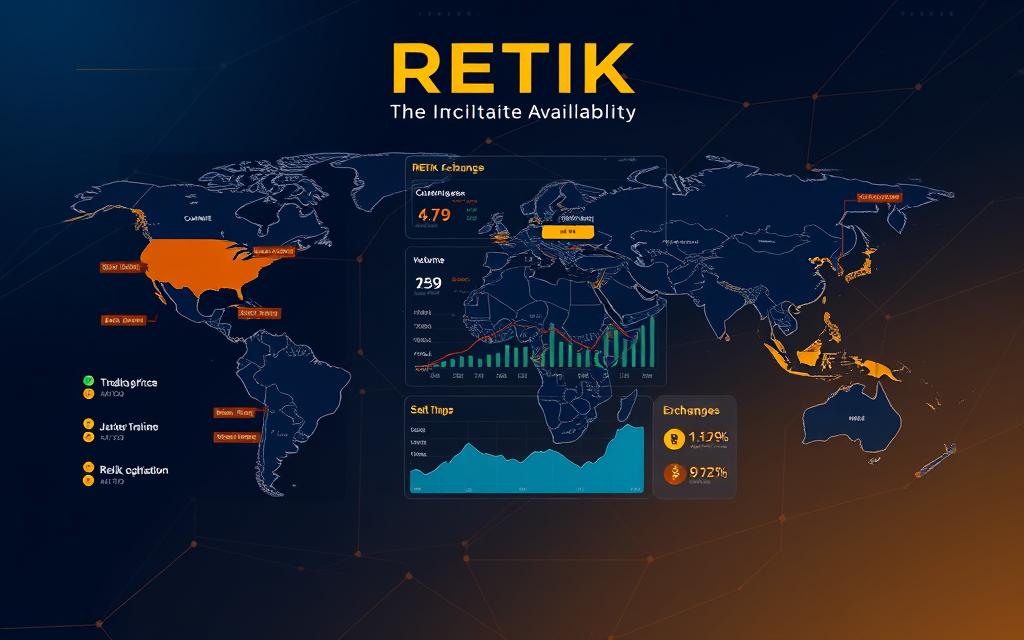
A quick venue scan shows RETIK listed on multiple centralised exchanges. BingX quotes RETIK at $0.0004943, Bitmart at $0.0004802 and MEXC Global at $0.0007222. These differences reflect each venue’s liquidity and fee profile.
Live market context at present
The reported 24‑hour trading volume sits near $115,018 with a -0.38% change. That volume gives a snapshot of demand and execution risk across hours.
Check spreads and recent fills before you place an order; wide spreads or low depth can push the effective price higher for larger amounts.
Not listed on some platforms: what Bitget’s notice means
“This coin hasn’t been listed yet… stay tuned to our announcements for listing updates.”
Bitget’s page is informational only. It lists generic on‑ramps—card, third‑party gateways, bank transfers (SEPA, PIX) and P2P—but these will apply for RETIK only after an official listing.
- Tip: Keep a shortlist of platforms quoting RETIK and compare price, fee and depth before execution.
- US users: Confirm geographic availability and compliance notices on each platform.
- Funding: Pre‑check bank, credit/debit card and P2P processing times and limits to align with your intended timing.
| Exchange | Indicative price | Notes |
|---|---|---|
| BingX | $0.0004943 | Active quotes; check order book depth |
| Bitmart | $0.0004802 | Lower quote; verify fills and fees |
| MEXC Global | $0.0007222 | Higher price; may offer deeper liquidity in some pairs |
how to buy retik crypto on a centralised exchange
Start with a verified exchange account to ensure smooth deposits, trades and withdrawals. Register using a recognised platform, complete identity verification and upload any required documents and a selfie. This unlocks full deposit limits and trading features.
Create your account and complete identity verification (KYC)
Follow the exchange flow for KYC carefully. Confirm your email, submit ID and wait for verification before adding funds.
Fund your account: bank transfer, card, or stablecoins
Pay via bank transfer for lower costs on larger amounts, or use credit or debit card for speed. Alternatively, deposit stablecoins like USDT to trade immediately.
Find the RETIK market and choose order type
Go to Spot, search the RETIK/USDT pair and verify the ticker. Select a market order for instant execution or a limit order for price control in thin markets.
Review fees, confirm, and receive RETIK in your exchange wallet
Check maker/taker and withdrawal fees before you confirm. Enter the amount, submit the order and verify that RETIK appears in your wallet balance after execution.
- Security tip: enable two‑factor authentication and use withdrawal allow‑lists.
- Record keeping: save trade confirmations and note prices for cost tracking.
- Long term: transfer funds to hardware storage for added safety.
Choosing a platform: fees, security, liquidity and user experience
Choose a trading venue that matches your plan for cost, speed and protection.
Compare headline fees and maker/taker tiers, then check for hidden conversion or withdrawal charges. Use the indicative quotes—BingX $0.0004943, Bitmart $0.0004802 and MEXC Global $0.0007222—to see how the price can diverge across venues.
Assess security credentials such as proof of reserves, custody arrangements and incident history. A platform with strong account protections reduces operational risk when you place an order.
Focus on liquidity in top pairs like RETIK/USDC, RETIK/ETH and RETIK/BTC. Thicker order books in these pairs usually mean tighter spreads and better execution for larger trades.
- Check payment methods and costs: card (debit or credit) is faster but often pricier; bank transfers suit larger deposits.
- Test the user interface and mobile app, and confirm available advanced orders for slippage control.
- Shortlist two or three platforms so you can act quickly if pricing or maintenance changes during your trade window.
Payment methods explained: the fastest and most cost‑effective ways to buy Retik
Select a payment route based on speed, cost and your local banking options. Card, bank rails, app gateways and P2P each have trade‑offs that affect final price and timing when you buy retik finance.
Credit and debit cards (Visa, Mastercard)
Visa and Mastercard enable near‑instant purchases once KYC clears. They suit smaller amounts or urgent entries, but expect higher fees and possible FX mark‑ups.
Bank transfers (SEPA, SWIFT and regional rails)
Bank rails are cost‑efficient for larger deposits. SEPA is fast within Europe; SWIFT can take longer. Use bank transfers when lower fees matter more than speed.
Apple Pay, Google Pay and third‑party gateways
These app‑based options offer quick checkout and rate locking via gateways. Check gateway fees, daily limits and any geolocation restrictions before you proceed.
P2P marketplaces with escrow
P2P lets you pay in local currency using regional methods. Always use verified sellers and platform escrow. Never complete a sale off‑platform; confirm on‑site release before marking payment as done.
- Compare total cost and speed: factor fees, FX spreads and settlement windows.
- Pre‑verify: register and confirm a card or bank in advance to avoid delays.
- Test small: perform a small transaction when using a new gateway or method.
Step-by-step on MEXC: from sign‑up to first RETIK trade
MEXC streamlines the path from funding an account through to executing a spot trade. Follow a clear sequence on the website or app for a fast first purchase.
Sign up, complete KYC, and add USDT/USDC/USDE
Create an account on the MEXC website or app and finish identity verification by submitting your ID and selfie. Enable 2FA for added security.
Deposit stablecoins via bank transfer, OTC, card gateway or P2P. Wait for the funds to settle before opening the trading screen.
Navigate to Spot, search RETIK, and place your order
Go to Spot, search for the RETIK/USDT pair and check the order book and recent fills. Select a market order for immediate execution or a limit order to target price.
Enter the amount in tokens or local currency, confirm the details and click Buy. RETIK will credit your MEXC wallet instantly after the trade fills.
Why MEXC: token range, liquidity and low fees
MEXC offers one of the widest token ranges (2,800+), deep liquidity and competitive fees. The platform supports 100+ payment methods and uses real‑time rate locking on fiat checkouts where available.
“Fast listings, broad pairs and multi‑layered security make MEXC a practical venue for quick execution and varied funding options.”
- Save your preferred funding method for repeat purchases and set laddered limits to scale positions.
- Consider a small withdrawal test to a self‑custody wallet before moving large balances.
- Monitor fee tiers and VIP options if trading volume grows.
| Step | Action | Key note |
|---|---|---|
| 1 | Sign up on website or app | Complete KYC and enable 2FA |
| 2 | Deposit USDT/USDC/USDE | Use bank, OTC, card or P2P; confirm settlement |
| 3 | Trade on Spot | Choose RETIK/USDT, pick market or limit order |
| 4 | Withdraw or hold | Run a small withdrawal test before large transfers |
Understanding price, fees and trading volume before you click buy
Assess venue costs and order book depth so you know the likely execution price for your intended amount.
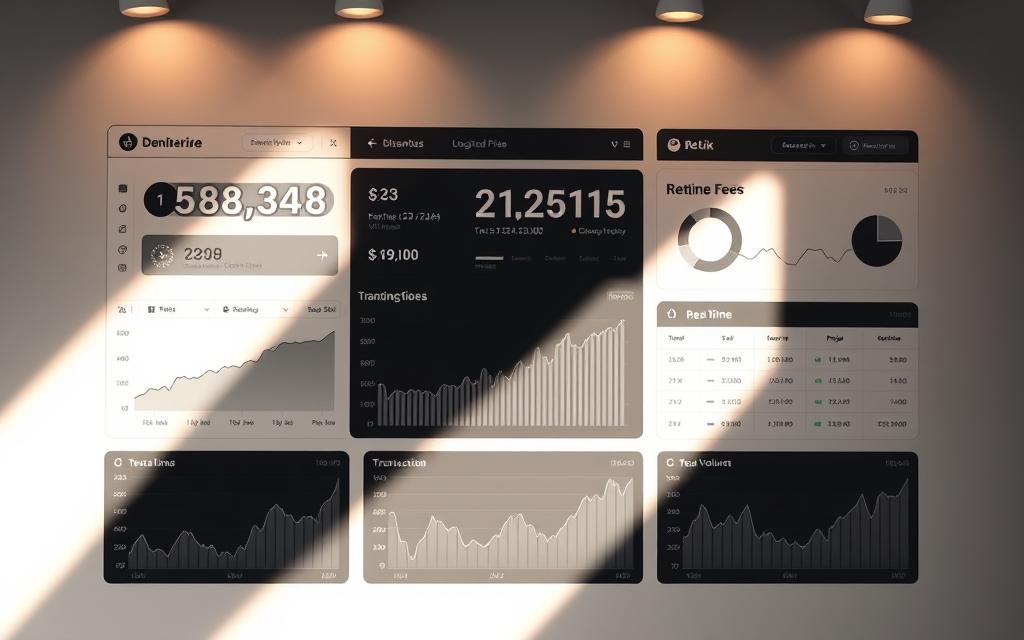
Maker and taker fees change your effective cost. Posting liquidity as a maker can earn lower fees, while taking liquidity often costs more. On thin books, a taker order may cross several price levels and increase implicit costs.
Maker/taker fees, network fees and rate locking
Check the fee tier before you trade. Some platforms like MEXC advertise low fees and real‑time rate locking for fiat purchases. Rate locking can fix the checkout price briefly, reducing short‑term slippage during conversion.
When withdrawing to self‑custody, include network fees in your calculation. Different chains and peak traffic can raise these costs materially.
How 24‑hour volume and spreads affect execution
Use 24‑hour volume as a quick proxy for liquidity. A reported trading volume near $115,018 suggests moderate activity; lower volume often means wider spreads and higher slippage for larger orders.
Read the spread and order book depth: a tight spread and deep book usually deliver better fills. Split larger purchases with laddered or time‑weighted entries to reduce market impact and average your price.
| Factor | What to check | Practical tip |
|---|---|---|
| Fees | Maker/taker tiers, withdrawal charges | Use maker orders where feasible; test fee calculator |
| Network costs | Chain, congestion and token wrapper fees | Run a small withdrawal test before large transfers |
| Volume & spread | 24‑hour volume, bid/ask gap, depth at market size | Split large orders or use limits during volatile hours |
Quick checklist: view recent trade history, compare displayed price vs estimated all‑in cost, and favour limit orders when spreads widen. This reduces surprise costs when you buy retik finance and helps manage execution risk.
Secure storage after purchase: wallets, withdrawals and safekeeping
Securing token holdings starts with a simple split: keep a small balance on an exchange for trading and move the remainder into private custody for long‑term protection.
MEXC and similar venues use exchange wallets with 2FA and cold storage layers. That setup offers convenience and faster execution, but it retains counterparty risk. Self‑custody removes that risk but requires active management.
Keeping funds on an exchange wallet versus self‑custody
Exchange wallet benefits: immediate access for conversions and quick trades. Drawbacks: platform outages and withdrawal limits.
Self‑custody benefits: you control private keys and reduce counterparty exposure. Drawbacks: responsibility for backups and device safety.
Hardware wallets for long‑term security
Hardware devices such as Ledger and Trezor store keys offline. This lowers phishing and malware risk and is ideal for holding most of your retik finance assets.
- Withdraw: pick the correct network, confirm minimums and run a small test transfer first.
- Enable strong account security on exchanges: 2FA, anti‑phishing codes and withdrawal allow‑lists.
- Back up seed phrases offline, never share them and store copies in secure, separate locations.
- Keep a small hot wallet for daily trades and move the bulk into cold storage for safekeeping.
Perform periodic security reviews: update device firmware, revoke unused approvals and rehearse recovery steps so you can restore access if a device is lost.
Alternative routes: DEX swaps and P2P purchases
For users outside standard exchange flows, decentralised swaps and peer‑to‑peer trades offer viable alternatives. Each method gives different tradeoffs in custody, payment flexibility and oversight.

Using Web3 wallets, gas and slippage checks
Set up a Web3 wallet such as MetaMask and fund it with a base token (ETH or BNB) before connecting to a reputable DEX like Uniswap or PancakeSwap.
Verify the exact token contract address using official project channels or trusted exchange references to avoid counterfeit tokens.
Consider gas costs: network congestion raises fees. Set a sensible gas limit and priority fee so transactions confirm in a timely manner.
Adjust slippage tolerance carefully. Start with a small test swap to confirm routing and effective price before committing larger amounts.
P2P flow: selecting verified sellers and escrow
Choose a verified seller on platforms such as MEXC or Bitget P2P and agree payment within the platform’s rules. Use escrow for protection: funds remain locked until you confirm receipt.
Keep all messages and confirmations on‑platform, and save screenshots plus transaction IDs for any dispute. Never accept requests to finalise payment outside the escrow system.
- Pros — DEX: self‑custody and direct on‑chain swaps; requires careful contract checks.
- Pros — P2P: local payment methods and fiat rails; depends on verified sellers and escrow rules.
- Practical tip: consider aggregators or split orders when liquidity or route quality is limited.
Selling or converting RETIK when you’re ready
Plan your exit before placing an order. Decide the amount you intend to liquidate and check live order book depth so you avoid large slippage on bigger sales.
Spot selling and quick conversion tools
Use a market order for immediacy or a limit order for price control. Review expected fees and final execution price on the trade screen before confirming.
Converter tools offer one‑click swaps into major tokens such as USDT or BTC with displayed rates and, where supported, near zero slippage. These are practical for a fast purchase or an exit when markets move.
Pre‑Market and P2P exits
Some platforms run Pre‑Market windows for early holders; check eligibility and settlement rules on the website. P2P lets you settle in local currency — always pick verified buyers and rely on escrow while saving message trails for disputes.
- Cash‑out options: convert to stablecoins and withdraw via bank transfer, or use card off‑ramps if supported by the platform.
- Verify limits: confirm withdrawal caps, required KYC level and processing times before initiating a transfer.
- Security: keep 2FA and withdrawal allow‑lists active on your account for every exit.
| Off‑ramp | Typical fees | Speed |
|---|---|---|
| Bank transfer | Varies by destination and network | 24–72 hrs |
| Card (credit/debit credit card) | Higher than bank | Minutes–hours |
| P2P | Platform dependant | Depends on counterparty |
Final checks: compare the live RETIK price on your chosen venue and the linked market snapshot before confirming a sale. Retain confirmations and reference numbers for records and tax purposes.
For a current market reference, view a trusted price page live RETIK price.
Smart buying strategies and timing your entries
Structured purchases cut the guesswork and stop headlines from driving decisions. A clear plan helps reduce emotional trading and gives rules for each step of an entry.
Dollar‑Cost Averaging (DCA)
DCA means investing a fixed amount on a schedule regardless of short‑term moves. This smooths volatility while investing retik finance and lowers the impact of mistimed entries.
Trend‑based entries
Wait for confirmation such as breakouts or higher lows. Aligning purchases with positive momentum can improve the chance of buying at a sensible price rather than chasing lows.
Ladder buying
Place several limit orders at staggered prices and sizes. Laddering spreads fills across different conditions, reduces slippage and manages the amount allocated per tranche.
- Rule set: pre‑define tranche size, total exposure and maximum drawdown.
- Combine: use a base DCA with opportunistic ladder adds during liquidity spikes.
- Practice: back‑test or paper‑trade simple rules and set alerts for key levels.
Final note: match the chosen way to your time horizon, risk tolerance and need for convenience. Always reassess liquidity, spreads and news flow before placing new orders.
US buyer notes: compliance, verification, and supported payment methods
If you are based in the United States, platform availability and payment options can differ sharply between states.
Confirm that a platform legally services your state and which features are active. State rules and platform policy affect deposit limits, order types and withdrawal channels.
Identity verification is mandatory on most centralised venues for fiat on‑ramps. Complete verification with clear, valid documents to unlock higher deposit and withdrawal limits and to avoid delays.
Common US‑supported payment methods include credit card, bank transfer and P2P with escrow. Processing times, fees and daily limits vary by platform, so compare options before confirming a method.
Use a small test transaction first to confirm settlement in your state and platform flow. This reduces risk when you scale larger amounts.
- Security: enable two‑factor authentication, anti‑phishing codes and monitor login activity across devices.
- P2P caution: stick to on‑platform escrow and message trails; never finalise payments off‑site.
- Support and records: keep support tickets and chat transcripts for any disputes or tax reporting.
“Review platform terms, risk disclosures and proof‑of‑reserves where available before funding an account.”
Finally, review fee schedules periodically, compare platforms for cost‑effective access, and keep accurate records for tax and audit purposes when trading retik finance.
| Check | Why it matters | Action |
|---|---|---|
| State coverage | Limits features and fiat access | Confirm on platform FAQ or support |
| Identity verification | Required for fiat rails and higher limits | Prepare clear ID and proof of address |
| Payment method | Differs by speed, cost and availability | Run a small test deposit |
Conclusion
, follow a clear checklist: set up an account, finish KYC, fund your chosen method, check live price and order book, then execute a market or limit order.
Compare exchanges by fees, liquidity and quoted prices — for example BingX, Bitmart and MEXC show varying levels. MEXC currently offers deep liquidity, low fees and broad payment coverage, while Bitget has not listed RETIK and will post updates on its website.
Secure holdings after execution. Move most funds into a private wallet or hardware device such as Ledger or Trezor and keep a small exchange balance for trading. Use disciplined entries (DCA, ladder orders or trend confirmation), log the amount purchased and save execution details for records and compliance.
Methodical, security‑first steps remain the most reliable way to participate in the market for retik finance.


 By
By